
All dogs, not just those categorized, may one day need to wear a muzzle. Even if your dog is the "sweetest in the world," there are situations where you must use one. It serves not only as a mechanical device to prevent bites but also as a therapeutic tool.
Are you wondering in what situations?
- It is not uncommon for dogs visiting their veterinarian to experience stress, feel uncomfortable, and as a result of a slightly painful handling, use a defense technique to protect themselves, such as pinching or biting...
Your veterinarian may ask you to put a muzzle on your dog in order to provide care properly and safely.
- For category 1 and 2 dogs, the Law of January 6, 1999 states: "In public places, in the common areas of collective buildings, dogs of the first and second categories must be muzzled and kept on a leash by an adult. The same applies to second category dogs in public places, premises open to the public, and public transport."
- On public transport, including trains, RER, or the metro, it is mandatory to keep your dog on a leash and muzzle it if it is large.
- To ensure a secure encounter between peers, with humans, or inter-species.
- To resort to other means of communication to manage conflicts with dogs and humans.
- To work calmly on desensitizing an element that triggers potential aggression in your dog.
- etc....
You should know that wearing a muzzle is not innate for your dog; you need to carry out a methodical and positive training.
There is nothing worse than seeing a dog uncomfortable in a given situation, wearing a muzzle for the very first time without understanding what is happening to them.
Put yourself in their shoes; imagine the stress felt if you were forcibly muzzled without being explained why?
For the choice of the muzzle and its habituation, I recommend the Baskerville muzzle (see photo). It is ideal for the comfort and respect of your dog; it is lightweight, does not hinder, allows them to open their mouth, pant, drink, and receive treats.
Learning tips from 1 life 2 dogs:
- First, the sessions should be short, conducted positively, and repeated regularly.
- You must be motivated and eager to carry out this new learning! (If you are not motivated, your dog won't be either!)
- The first sessions should be conducted indoors, in a calm place without distractions.
- Learning should be gradual and not done in a single session, step by step, success after success, in a calm and positive manner to maximize your chances.
- You must always end a session on a success.
- Before and after each session, exercise your dog so they can release their excess energy!
The goal of this training is for your dog to agree to wear their muzzle and not feel forced or coerced.
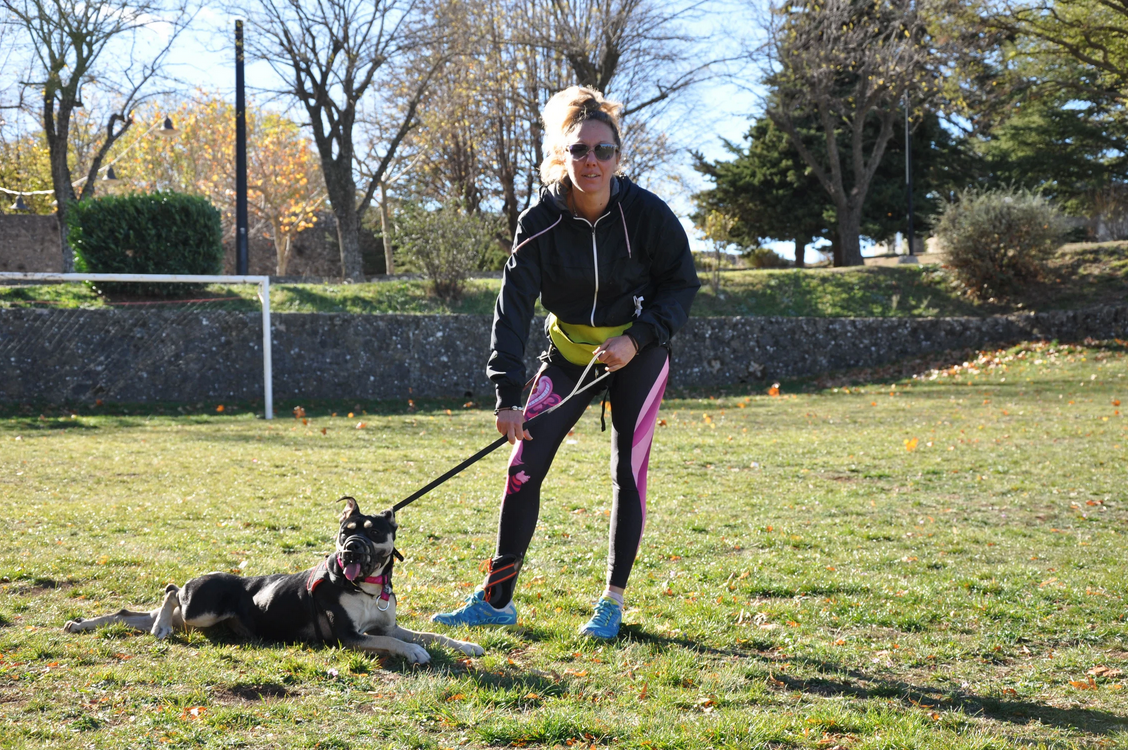
The steps for training to wear a muzzle:
- Step 1: Have your dog smell the muzzle while giving them treats so they associate the muzzle with something positive!
Important: Never move on to the next step if the previous one is not mastered! There is no point in rushing!
- Step 2: With the Baskerville muzzle, you have the option to attach it to your dog's collar without them wearing it on their snout. Let it hang from the collar while continuing to reward them!
- Step 3: Once step 2 is mastered, go for a walk with the muzzle still hanging from your dog's collar, continue to reward them so they associate the muzzle with a pleasant moment.
- Step 4: Hold the muzzle in your hand, put a treat inside (at the bottom) or spread some dog-friendly paste on it and present it to them. When your dog puts their snout inside and retrieves the treat, cheerfully say "Muzzle," praise, reward, and repeat several times!
- Step 5: Present the muzzle to them without treats; as soon as they put their nose inside, say "Muzzle" in a cheerful voice, reward, and praise greatly! Repeat several times.
Attention, I insist! There is no point in rushing; you should only move on to the next step when the previous one is mastered!
- Step 6: Say "muzzle," once your dog has put their snout inside, pass the straps behind their head (without fastening) reward and praise!
Repeat several times, increasing the duration before praising and rewarding!
- Step 7: Once step 6 is mastered, it is time to attach the muzzle for a few seconds, proceed in the same way as in the previous step. Don't forget to always praise greatly!!
- Step 8: Your dog now accepts having the muzzle attached, take this opportunity to walk a few meters with them on a leash. While walking, take the chance to play with them to distract them so they don't think about removing it. After a few minutes, take off their muzzle and play with them to reward them.
- Step 9: Now increase the duration while playing with your dog and providing distractions. Remember, they need to associate the muzzle with a pleasant moment!
Every dog is unique; always be patient and positive with your dog, some learn faster than others. Never rush through the steps and remain consistent!
If your dog has behavioral issues, do not hesitate to consult a professional who works with respect and the well-being of your animal.
Vanessa Pelletier
1 life 2 dogs, positive education and dog behavior - cynologist.


